




Preparing your peak-season retail signage and store estate strategy months in advance is critical for surviving the high-street rush. Optimizing your high-street signage, choosing agile display systems, implementing circular design, and partnering with local UK manufacturers will ensure smooth footfall and high visual impact during high-traffic periods.
For retail estate managers and project teams, peak season doesn’t begin in November. It is a milestone that is won or lost in the spring and summer months.
Whether you are preparing for Black Friday, the festive rush, or a major seasonal product launch, managing a multi-site retail estate during peak traffic periods requires a balance. The goal is to maximize visual impact and ensure smooth footfall, all while keeping operational complexity low.
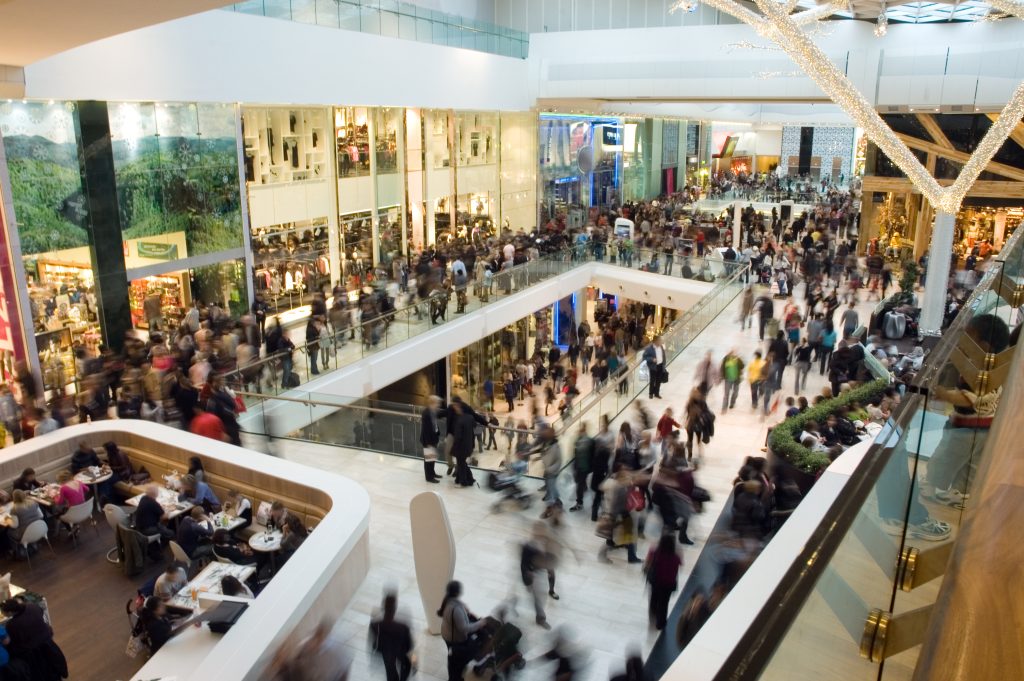
Peak traffic puts a different level of physical stress on a store layout. Features that work well during quiet weekdays, such as narrow promotional zones or complex queueing systems, can become crowded when footfall doubles.
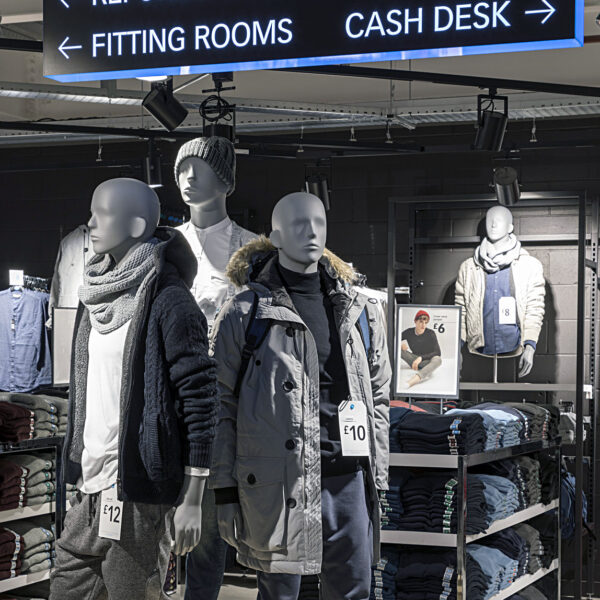
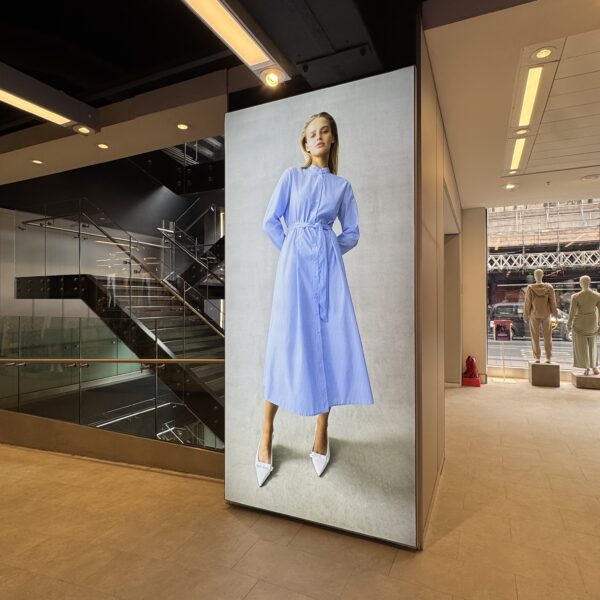
High-street campaigns move fast during peak periods. If your retail signage or in-store graphics or promotional displays require a specialist team and a complex tool kit just to change a price point or a hero graphic, it can put your timeline under pressure.
When planning your seasonal rollouts, prioritize low-complexity display systems:
Peak season is naturally followed by the post-peak reset. One of the biggest logistical tasks for retail brands is managing the changeover after temporary, short-term promotional fit-outs.
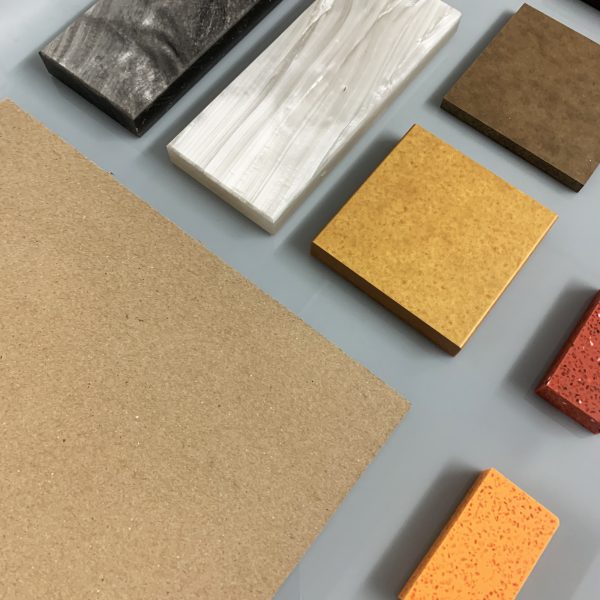
Instead of creating single-use assets destined for waste in January, focus on circular design principles during the planning phase:
The closer you get to a major retail peak, the more international supply chains can experience delays. Relying on overseas shipping for critical signage or display components introduces unnecessary variables to your launch dates.
Partnering with a UK signage manufacturer with multi-site capacity gives you two distinct advantages:
Planning for peak traffic is about making smart, operational choices early in the design phase. By focusing on durable materials, clear wayfinding, and localized manufacturing, you can deliver a high-impact rollout smoothly.
At Widd, we have been helping major retail brands navigate estate rollouts and seasonal refreshes for over 130 years. We handle the technical design, manufacturing, and logistical details so your team can focus entirely on a successful trading period.
Planning your next multi-site retail rollout? Let’s chat about how we can streamline the process.
We use cookies to improve your experience on our site. By using our site, you consent to cookies.
Manage your cookie preferences below:
Essential cookies enable basic functions and are necessary for the proper function of the website.
These cookies are needed for adding comments on this website.
Google reCAPTCHA helps protect websites from spam and abuse by verifying user interactions through challenges.
Statistics cookies collect information anonymously. This information helps us understand how visitors use our website.
Google Analytics is a powerful tool that tracks and analyzes website traffic for informed marketing decisions.
Service URL: policies.google.com (opens in a new window)
Clarity is a web analytics service that tracks and reports website traffic.
Service URL: clarity.microsoft.com (opens in a new window)
You can find more information in our Cookie Policy and Privacy Policy.